After hours calls for a home service business need a clear path, not an unclear voicemail. Decide who answers, what counts as urgent, which details to collect, and when a technician can be contacted. Routine callers should get a documented next step. Calls involving immediate danger should be directed to 911.
Start with the service promise you can keep
Before choosing a phone setup, write down what your business can actually do after the office closes. A caller needs an honest answer about what happens next. That answer may be a booked visit, an on-call technician review, or a return call during the next business period.
Set separate rules for nights, weekends, holidays, and days when your office is closed. A plumbing company with a rotating on-call worker may take a different path than an appliance repair company that only schedules daytime visits. Don’t let a call handler guess.
Your written plan should answer these questions.
- Which hours need live phone coverage
- Which service areas are open after hours
- Which jobs can be offered an appointment right away
- Which calls need an on-call person to review them
- Which requests wait for the office team
- Who changes the plan when a technician is unavailable
Keep the plan tied to real staffing and travel limits. Don’t tell callers that someone is on the way unless a person with authority has confirmed it. A clear limit builds more trust than a promise your team can’t meet.
Split urgent service needs from public-safety emergencies
An urgent customer problem and a public-safety emergency are different. A broken garage door that keeps a car trapped inside may need quick business attention. Fire, smoke, a person trapped in danger, or an immediate threat to life needs emergency responders first.
The National 911 Program says callers should dial 911 for immediate emergency help. Its guidance also says callers should be ready with the location, callback number, nature of the emergency, and relevant details. Your call process should never delay that call or act as a replacement for it.
Give call handlers a short safety script they can use without trying to diagnose the problem. It can tell callers to move to a safe place and call 911 first when there is fire, smoke, a trapped person, or immediate danger. Don’t ask a receptionist to decide whether gas, wiring, water, or a damaged door is safe. That decision belongs with emergency responders or a qualified professional.
Build an urgent-call list for your own trade
Make a short list of situations that should go to your on-call contact. Keep it focused on the service you truly offer. The goal isn’t to label every problem. The goal is to route calls the same way each time.
For each type of call, state the action in plain words. You might use categories such as these.
- Emergency responders first when there is immediate danger to people or property
- On-call review when the request fits your stated after-hours coverage
- Next available appointment when the issue can wait and your schedule allows it
- Office follow-up when the caller needs an estimate, a nonurgent question answered, or a service that isn’t offered after hours
Review this list with the people who answer phones and the people who receive alerts. If the instructions are hard to follow at night, simplify them.
Collect the details that let your team act
Every after-hours call should create a usable record. A name and phone number alone may not be enough for a dispatcher or technician to decide what to do. Ask only what your team needs for the next action.
A good call record usually includes the following.
- Caller name and callback number
- Service address and any access details the caller chooses to share
- Type of service needed
- A short description of what happened
- Whether anyone is in immediate danger
- Preferred appointment time or availability
- Whether the caller is a new or existing customer, if your process uses that detail
Ask the caller to confirm the phone number and address before the call ends. A single wrong digit can stop a return call. Keep notes factual. Write what the caller reported rather than guessing at the cause of a problem.
Use a script that sounds human
A script gives callers a steady experience, especially when the office is closed. It should guide the conversation without making the person feel rushed. Start by identifying the business, ask how you can help, then move through the details your team needs.
End every call with a specific next step. Say whether the message is being sent to an on-call contact, whether an appointment request was recorded, or whether the office will review the request when it reopens. Don’t give a callback time unless your business has set and can meet that time.
Choose live coverage, voicemail, or a blended process
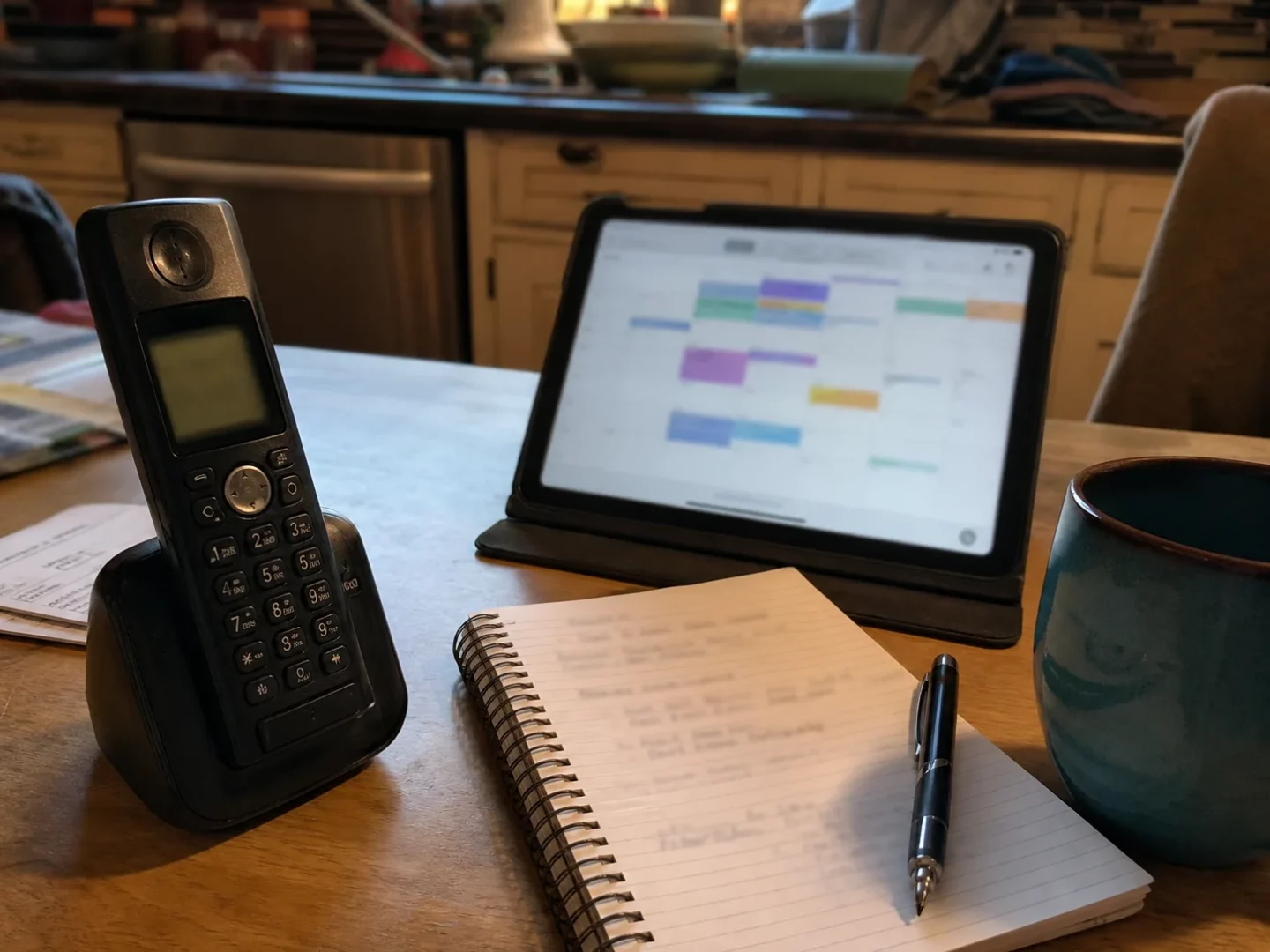
Voicemail can record a message, but callers may not know whether anyone heard it or when to expect help. For businesses that want a person to collect details and follow written rules, live coverage can give callers a clearer next step.
A blended plan may fit your business. Live answering can cover the hours when urgent requests are most likely, while voicemail can handle a narrow period when no response is promised. If you use voicemail at any point, record a message that states your hours, tells callers what information to leave, and gives emergency instructions. Test it from an outside phone after every update.
For live coverage, share current business information before shifts begin. Include service areas, services you do and don’t offer, on-call contacts, schedule openings, holiday changes, and any wording you want used with customers. Remove old instructions quickly. An outdated promotion or unavailable time slot can create an avoidable problem.
Set up alerts that reach the right person
A message only helps when the right person receives it. Decide who gets routine leads, who receives urgent notices, and who is the backup if the first contact doesn’t respond. Keep personal numbers and escalation directions current.
We Answer states that its Answering Services include 24/7 coverage, appointment scheduling, bilingual receptionists, call logs, recordings, and job tracking. The company also says businesses can customize scripts and call handling. Those options can support a written after-hours process, though your own availability rules still need to drive each call outcome.
Choose where job notices should arrive based on what your team checks. We Answer says its software can send job notifications through WhatsApp, email, SMS, or more than one channel. Limit access to the people who need customer details. A missed alert is a problem, but sending private information to the wrong person is also a problem.
Test your handoff before relying on it
Run a simple test from a phone outside the office. Call after hours and check whether the greeting is current, the call follows the right path, the message reaches the right contact, and the record has the details your team needs. Test a routine request and an urgent request using safe, made-up details.
Then ask the receiving person to confirm what they saw. This small check can uncover a wrong contact, old schedule, unclear script, or notification setting before a real customer needs help.
Make appointment requests clear and realistic
After-hours scheduling should reflect the calendar your team can honor. If an answerer can book a time, give them the approved slots, service boundaries, and any rules for existing customers. If they can’t book directly, have them collect the caller’s preferred times and state that the office will confirm the appointment.
Don’t use vague wording such as “someone will get back to you soon.” Tell callers the actual next action. If your office will contact them on the next business day, say that. If an on-call worker will review the request, say that instead. Clear wording lowers confusion without making a promise you haven’t approved.
Review calls and improve the plan
Set a regular time to review after-hours records. Look for calls that were routed incorrectly, repeated questions that should be added to the script, missing details, and changes in staffing. Listen to recordings only when your business has the right permissions and process for doing so.
Use what you find to update a single source of instructions. Tell every call handler when changes take effect. The most useful after-hours process is easy to find, easy to follow, and current when a caller reaches out on a weekend or holiday.
Questions home-service owners ask
Should after-hours callers be told your prices?
Only share pricing your business has approved for that exact situation. If a job needs an inspection, travel details, parts, or a technician’s review, the caller should be told that pricing will be confirmed through your normal process. Don’t let a call handler estimate work without written instructions.
What if a caller speaks a different language?
Plan for language needs before the call arrives. Keep key safety wording and intake questions available in the languages your customers use. We Answer says it offers bilingual receptionist support. Confirm the languages, script, and escalation instructions that fit your business before turning on coverage.
Who should update holiday hours and on-call contacts?
Assign that task to a named owner, office manager, or backup. Update the schedule before the holiday begins, then confirm that the phone greeting, script, calendar, and notification list all match. A single owner prevents several versions of the schedule from being used.
Contact We Answer for an after-hours answering service that can follow your call rules, take messages, and schedule appointments. Ask the team to help set up a script, notification path, and coverage plan that match your home-service business.