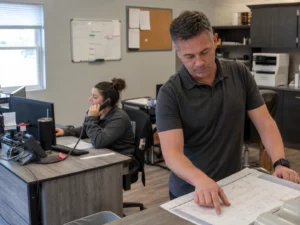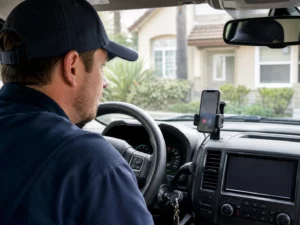
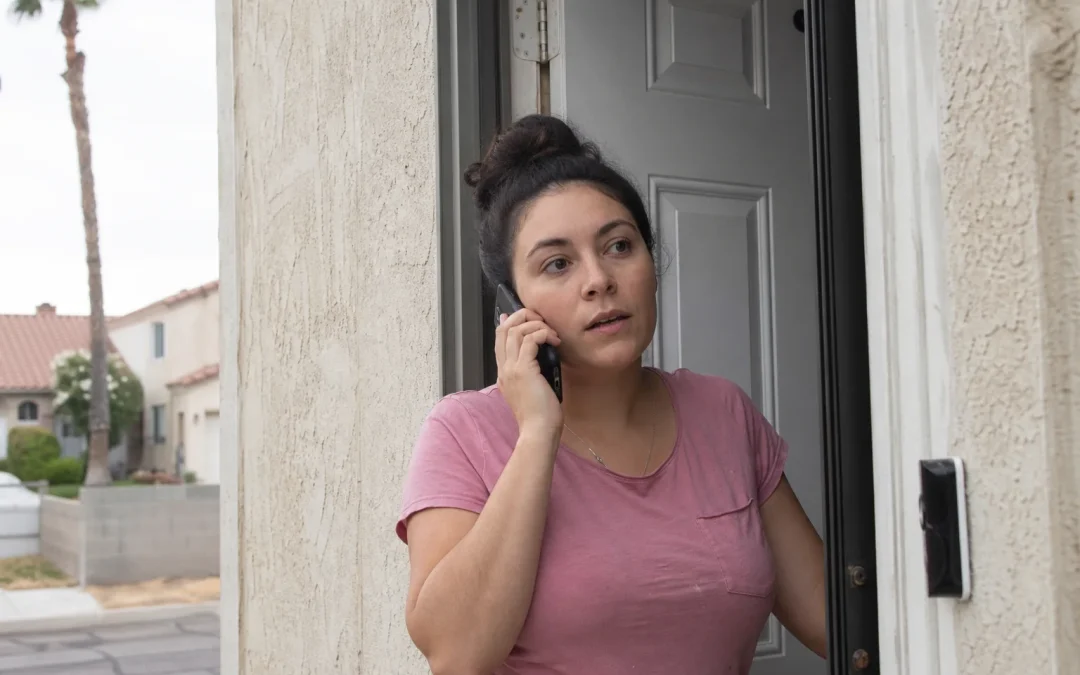
A bilingual answering service for home services can make sense when callers regularly prefer Spanish, your team can’t reliably cover both languages, or calls come in while technicians are busy or the office is closed. It can help you collect clear job details, schedule appointments, and give each caller a consistent first response in English or Spanish.
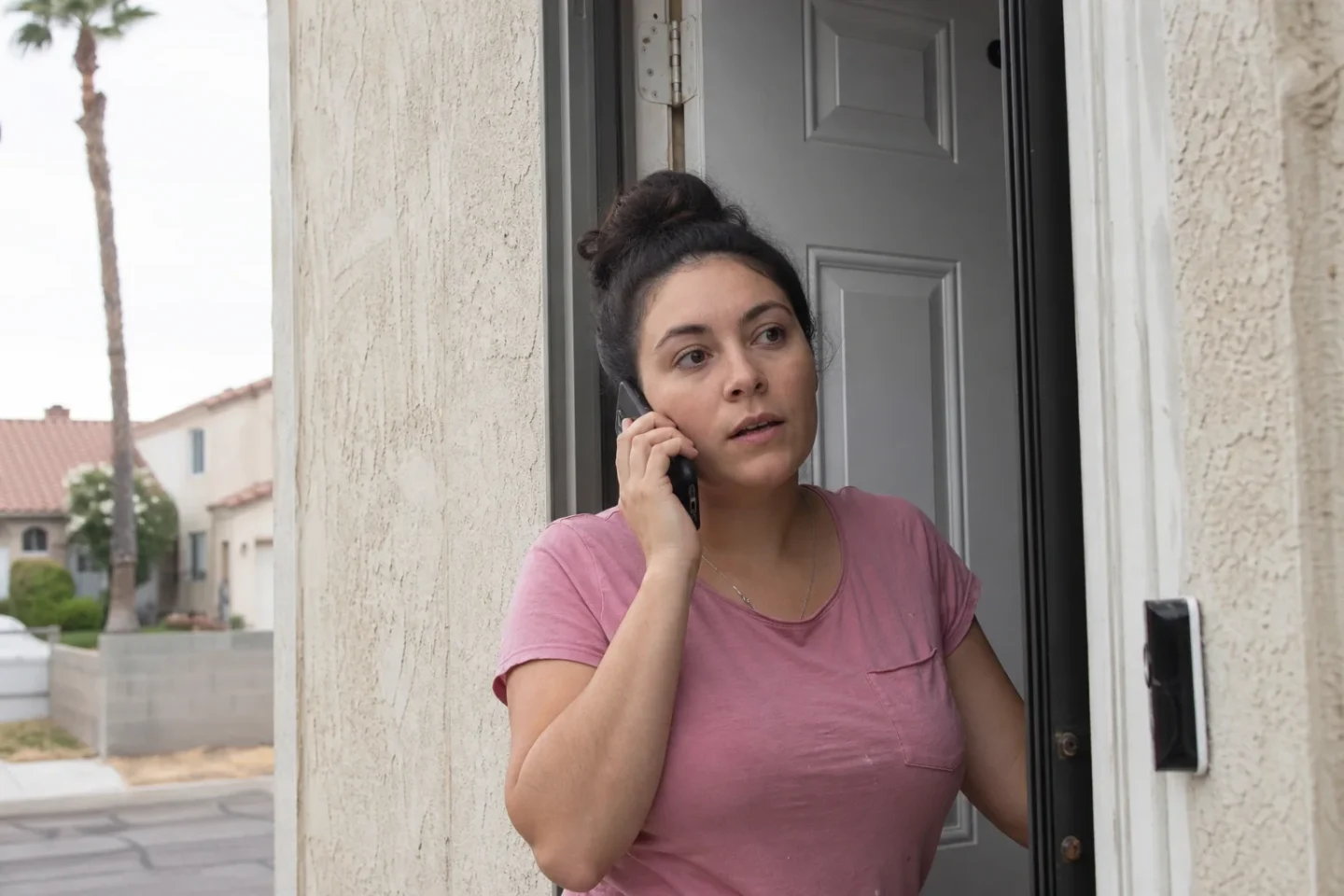
Start with the calls your business already gets
Don’t choose language support based on a guess. Look at what happens when customers call your office, mobile line, or after-hours number. A language gap may show up as a caller who hangs up, a message with missing details, or an appointment that never gets set.
Pull a few weeks of call records and ask these questions.
- How often does a caller ask for Spanish-language help?
- How many calls go unanswered while field staff are on a job?
- Can the person answering the phone gather the address, service need, preferred time, and callback number in both languages?
- Do after-hours messages give your team enough information to decide what to do next?
- Are office staff, dispatchers, or family members being asked to translate when they should be handling other work?
Look for patterns instead of relying on a single hard call. A few requests may be manageable with your current team. Repeated requests, unclear messages, or slow callbacks point to a coverage problem worth solving.
Compare your call records with language data in your service area
Your own calls tell you what is happening now. Public data can help you ask a better local question. The U.S. Census Bureau reports on household language use in its American Community Survey estimates. Spanish was the largest non-English language group in those national estimates.
National language data cannot tell you what customers in your service radius need. Check American Community Survey language tables for your city, county, or service area. Then compare those figures with your call logs and the number of callers who ask for help in Spanish. Use the data as a planning tool, not proof that every household wants service in a certain language.
Language needs can also vary across a wide service territory. A plumbing company may serve several towns. An HVAC company may work across one county and nearby areas. Review the locations tied to Spanish-language requests before deciding which calls need bilingual coverage.
Use bilingual call support when the first conversation affects the next step
Home-service calls often need action, not a simple message. The caller may be trying to book a repair, ask whether a technician serves their address, report a problem, or find out when someone can return their call. If the first conversation is unclear, the next person may need to call back and start over.
Appointment requests need clear details
A good intake captures the customer’s name, callback number, address, service request, preferred appointment time, and any useful access details. For a garage door company, the caller may need to say whether the door is stuck open or closed. For an appliance repair business, they may need to identify the appliance and describe what it is doing. The intake should pass along the caller’s words without guessing at a diagnosis.
When a customer prefers Spanish, a bilingual receptionist can ask the same basic intake questions in Spanish and send the details to your team in the way you set up. That gives the dispatcher or technician a clearer starting point.
After-hours calls need a defined handoff
Many home-service businesses receive calls after the office closes. A caller may be checking availability, trying to book a future visit, or reporting an urgent issue. Decide before you outsource how those calls should be handled.
- Which services can be scheduled after hours
- What information must be collected before your team is notified
- Which calls should be marked urgent
- Who receives the message and through which channel
- What the receptionist should say about timing when no technician is immediately available
Keep emergency directions simple and accurate. If a caller reports fire, smoke, or a person trapped, the instruction should be to call 911 first. Don’t ask an answering service to promise dispatch, repair timing, or a fix unless your business has given it a clear process to follow.
Know what English and Spanish coverage can and can’t solve
English and Spanish coverage may remove a real barrier for many callers, yet it won’t solve every phone problem. A customer may have a weak signal, limited details about the problem, or a need that falls outside your service area. Your team still needs a clear script, current business hours, service boundaries, and scheduling rules.
The U.S. Small Business Administration Office of Advocacy notes that many languages are spoken across the United States. If your calls include a language beyond English and Spanish, ask a provider what it supports before you sign up. Don’t assume a bilingual service covers every language.
Also decide how you want written follow-up handled. A call may be in Spanish, while your work order system and technician notes are in English. Make sure the message format is useful to the person who gets it. A name, number, address, requested service, and short note are often more useful than a long message.
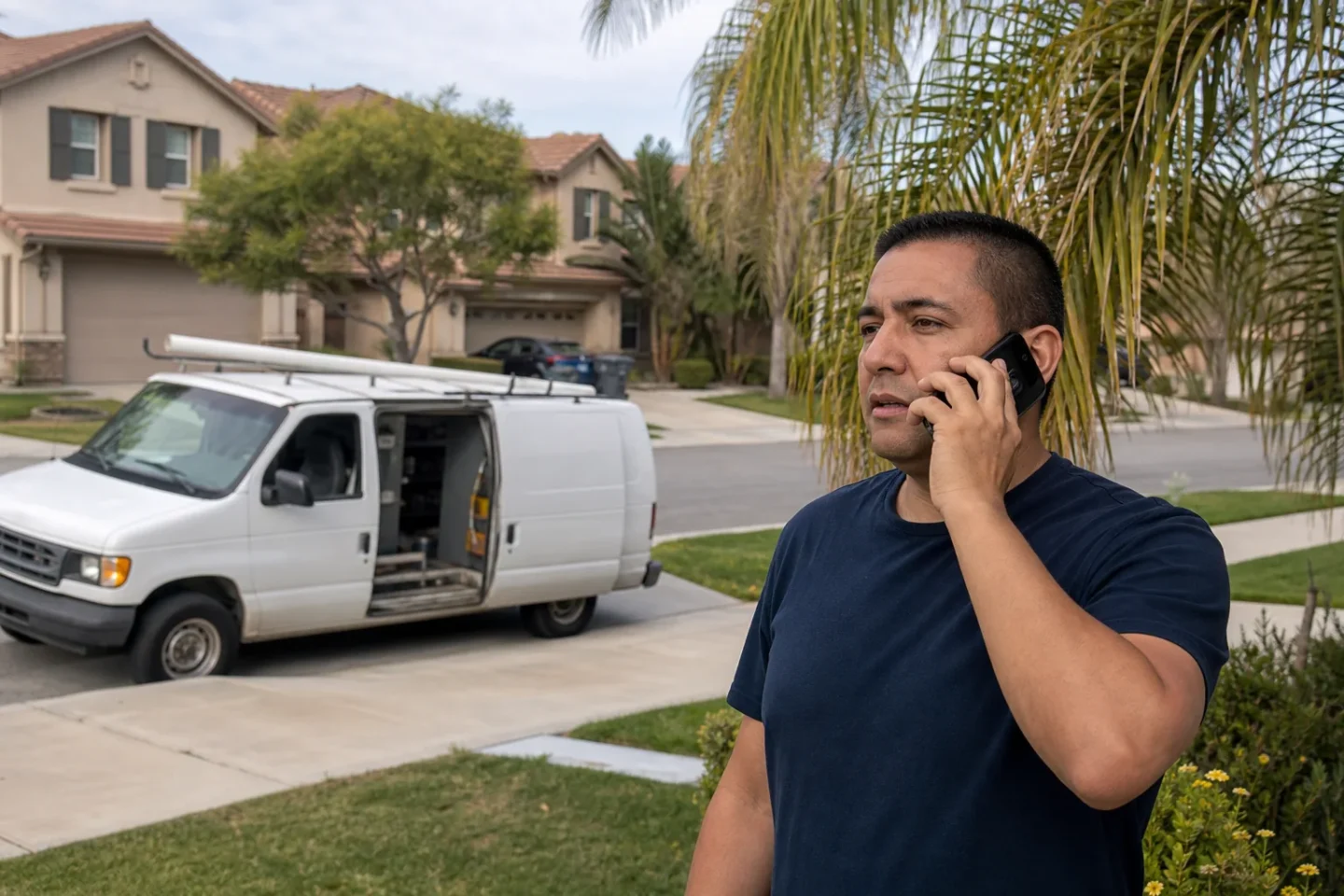
Set up the call rules before you turn on a bilingual answering service
A receptionist can only follow the information you provide. Prepare your call handling rules before forwarding your number. This step protects callers from mixed messages and helps your team avoid sorting out incomplete notes later.
Build a short call script
Your script should sound like your business, but it should focus on useful facts. Include your business name, the areas you serve, the main services you offer, normal business hours, and what the receptionist should do with common requests. Add current announcements when your schedule changes, such as a holiday closure or a day when you can’t take new jobs.
Write out words that callers may use differently. A customer may say air conditioner, AC, cooling, or no cold air. A caller may use a general word for a broken appliance. The receptionist doesn’t need to diagnose the issue. They need to record enough information for the right person to respond.
Choose the right notification path
Think about who needs the call information during work hours, evenings, and weekends. Avoid sending every message to a group where nobody owns the next step. Assign a person or role for each time period, then test the handoff with a sample call.
We Answer says its Answering Services include English-and-Spanish support, appointment scheduling, after-hours coverage, and call-history tools. The company also says it can send job notifications through WhatsApp, email, SMS, or more than one channel. Confirm the setup, language coverage, and message routing that fit your business before service begins.
Review messages and recordings during the first weeks
Check whether messages contain the details your team needs. Watch for repeated questions that should be added to the script. If callers ask about a service you no longer offer, an area you don’t serve, or a promotion that ended, update the instructions quickly.
Use the review to improve the call flow, not to judge a caller’s accent or word choice. The important question is whether your team can understand the request and take the right next step.
Decide if the service fits your business model
A bilingual answering service may fit best when phone calls lead directly to booked work, estimates, or callbacks. It can also help a small office that has bilingual staff during the day but no dependable coverage at lunch, after hours, or when the team is out in the field.
It may be less useful if nearly all calls are handled through an online booking system, your staff already provides reliable bilingual coverage for every shift, or most calls require a technical conversation that only a licensed technician can handle. Even then, an answering service may still collect contact details and set expectations for a return call.
Before making a decision, compare the provider’s process with your actual call needs.
| Ask your team | Ask the provider |
|---|---|
| Which calls should be booked, messaged, or escalated? | Can receptionists follow those separate instructions? |
| What details does a technician need before calling back? | How are those details recorded and delivered? |
| When do callers most often need a live person? | What coverage is available during those hours? |
| Which languages do callers request? | Which languages are actually supported? |
| Who updates changes to hours, service areas, and promotions? | How can your team update call instructions? |
Questions home-service owners often ask
Can a bilingual receptionist schedule appointments?
That depends on the rules and calendar access you provide. Before scheduling begins, decide which job types can be booked, how much time each needs, which time windows are open, and when a dispatcher must approve the appointment. Ask the provider to walk through a sample booking using your rules.
Should we offer Spanish support if only some callers ask for it?
Start with the pattern in your calls. Even a smaller number of requests can matter if your staff cannot communicate clearly when those calls arrive. Compare the cost and workflow of support with the number of requests, the types of calls, and whether those callers currently get a usable next step.
What should a bilingual answering service avoid saying?
Receptionists should not quote prices, promise arrival times, confirm a repair, or give safety advice unless your business has supplied approved wording and authority for those statements. They should record the request, share the next step you set, and escalate calls that meet your rules.
How can we tell if call handling is improving?
Choose a few measures before launch, such as complete intake messages, booked appointments, callbacks made, and calls that needed clarification. Review the same measures after your process has been in place long enough to spot trends. Keep the review tied to your own records rather than assuming a cause from a small number of calls.
Contact We Answer to discuss bilingual answering service for home services, your English-and-Spanish call flow, and the notification setup your team needs. Ask the company for its current contact phone number and a review of your after-hours, appointment, and message-routing needs.